











- 파괴적 혁신자 아마존(Amazon)
<이규석> 저 | 세계와나
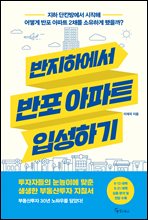
- 반지하에서 반포 아파트 입성하기
<이재국> 저 | 메이트북스
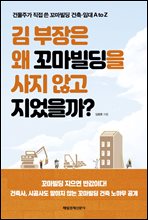
- 김 부장은 왜 꼬마빌딩을 사지 않고 지었을까?
<김종흔> 저 | 매일경제신문사
- 홈 >

-
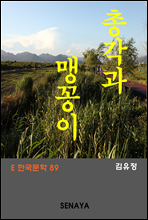
- 총각과 맹꽁이
- <김유정> 저
- 김유정의 단편소설이다.
잎잎이 비를 바라나 오늘도 그렇다. 풀잎은 먼지가 보얗게 나풀거린다. 말뚱한 하늘에는 불더미 같은 해가 눈을 크게 떴다. 땅은 닳아서 뜨거운 김을 턱밑에다 풍긴다. 호미를 옮겨 찍을적마다 무더운 숨을 헉헉 뿜는다. 가물에 조잎은 앤생이다. 가끔 엎드려 김매는 이의 코며 눈퉁이를 찌른다. 호미는 퉁겨지며 쨍 소리를 때때로 낸다. 곳곳이 박힌 돌이다. 예사밭이면 한번 찍어 넘길 걸 서너 번 안하면 흙이 일지 않는다. 콧등에서 턱에서 땀은 물 흐르듯 떨어지며 호미자루를 적시고 또 흙에 스민다. 그들은 묵묵하였다. 조밭 고랑에 쭉 늘어 박혀서 머리를 숙이고 기어갈뿐이다. 마치 땅을 파는 두더지처럼······. 입을 벌리면 땀 한 방울이 더 흐를 것을 염려함이다. 그러자 어디서 말을 붙인다.
-

- 종교 재판소장 (The Grand Inquisitor) 들으면서 읽는 영어 명작 474
- <표도르 도스토옙스키 (Fyodor Dostoyevsky)> 저
- --------- 오디북 북 + 이북이 / 하나로 = 입체전자책 ----------- - 전자책과 오디오북이 하나로 합쳐진 입체전자책 - 영어 학습을 위한 최고의 입체 전자책입니다. - 읽으면서 한 번의 클릭으로 동시에 듣습니다. (크롬 환경 최적격) - 주제(Chapter) 마다 한 번의 클릭으로 편리하게 들을 수 있습니다. - 핸드폰도 편리하며 CD가 필요 없습니다. - 추천작이며 엄선된 작품입니다. - 보이스 전체를 다운로드 받을 수 있습니다. - ★ 보이스 전체를 다운로드 받아서 편리하게 들을 수 있습니다 ★ ------------- Audio book + e book = solid book -------------- ★ 부록에 『영어 글쓰기 기본 (The Elements of Style)』첨부. 100년 가까운 세월 동안 미국에서 가장 많이 팔린 글쓰기 책이며, 2011년에 타임지가 선정한 1923년 이후 영어로 발행된 가장 영향력 있는 100대 도서 중 하나. -------------- "The Grand Inquisitor" is a poem in Fyodor Dostoyevsky's novel The Brothers Karamazov (1879?1880). It is told by Ivan, who questions the possibility of a personal and benevolent God, to his brother Alyosha, a novice monk. The Grand Inquisitor is an important part of the novel and one of the best-known passages in modern literature because of its ideas about human nature and freedom, and its fundamental ambiguity. Scholars cite Friedrich Schiller's play Don Carlos as a major inspiration for Dostoyevsky's Grand Inquisitor, while also noting that "The sources of the legend are extraordinarily varied and complex."


- 3301
-
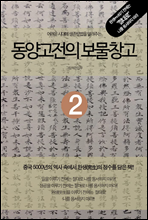
- [문학] 어려운 시대에 생존방법을 알려주는 동양고전의 보물창고 2
- <그림책편집부> 저 | 그림책 | 20160111
- 어떠한 삶을 원하는가? 명확한 해답은 없지만, 역시 성현들의 삶을 반추해보고, 그들의 삶에서 교훈을 찾고, 그 교훈에 따라 인생을 설계하고 실행에 옮기는 삶. 이...
- 대출: 0, 예약:0, 보유 수량:1, 누적 대출: 0, 누적 예약:0
- 3302
-
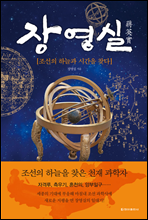
- [문학] 장영실
- <정명섭> 저 | 청아출판사 | 20160119
- “과인의 눈과 손이 되어 주게. 그래서 조선의 하늘과 시간을 만들어 주게.”
“이것이 바로 전하와 제가 힘을 합쳐 만든 시간입니다!”
조선... - 대출: 0, 예약:0, 보유 수량:1, 누적 대출: 0, 누적 예약:0
- 3303

-
- [문학] 고양이의 산책 - 이수민 창작작품집
- <이수민> 저 | 그림책 | 20160125
- 다른 세계로 가고 싶다.
청춘이 아프지 않고
청춘이 꿈을 꾸고 꿈을 이룰 수 있는 세계,
그래서
나는 오늘도 글을 쓴다. - 대출: 0, 예약:0, 보유 수량:1, 누적 대출: 0, 누적 예약:0
- 3304

-
- [문학] 죽은 자를 위한 방은 없다 - 김연진 창작작품집
- <김연진> 저 | 그림책 | 20160125
- 청춘이 아프다.
이 아픈 청춘의 어느 날을 위하여
나는 오늘도 글을 쓴다. - 대출: 0, 예약:0, 보유 수량:1, 누적 대출: 0, 누적 예약:0
- 3305
-
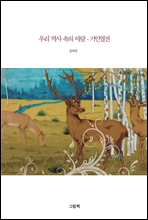
- [문학] 우리 역사 속의 야담 : 기인열전
- <김태호> 저 | 그림책 | 20160129
- 역사속의 숨은 이야기를 읽고 배우는 것은 역사 속에 숨겨져 있던 진실들을 제대로 알고 이를 현실에서 제대로 활용하기 위해서 입니다. 이런 의미로 역사 속에 숨은 ...
- 대출: 0, 예약:0, 보유 수량:1, 누적 대출: 0, 누적 예약:0

동국대학교 전자도서관 ㅣ 전화 : 02-2260-8624 ㅣ FAX : 02--
CopyRight C 2010 Yes24. All rights Reserved.